


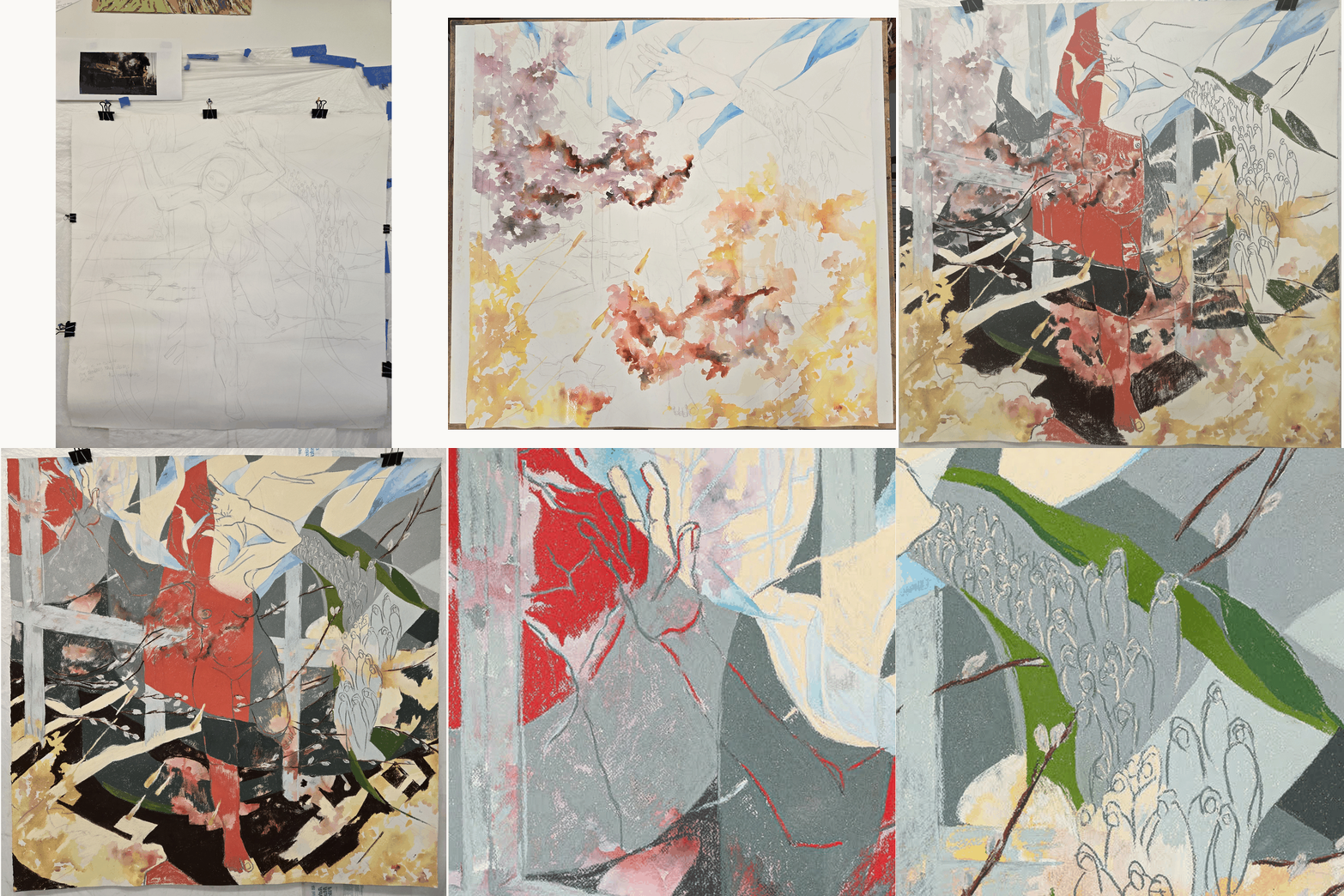
Peklo (Пекло) / Inferno
Figures press together across the full width of the sheet, so close that the composition offers no ground to stand on and no edge to escape toward. Heads tilt back; arms cross and clasp; a pair of hands grips a knee in the lower right with a precision the rest of the drawing withholds. These clasped hands and bare feet are the most sharply observed passages in the work, and they carry its emotional weight — the small, involuntary gestures of people bracing.
The palette divides the picture between flesh and fire. Cool greys, pale ochres, and slate greens describe the bodies in flat, faceted planes; behind and between them, blocks of orange and yellow flicker in short broken strokes, arranged in a rough grid. The grid is the building — window after window in a highrise, each one lit — and it is also the fire. The work refuses to distinguish the two. Red slices through in broad diagonal wedges, and passages of near-black brown fall across the upper corners like collapsing structure.
The watercolor beneath gives the surface its stained, seeping depth; the pastel worked over it is drier, more urgent, applied in scratched strokes that never fully settle. The two layers pull against each other the way the image does — the slow spread of the ground against the panicked mark on top.
The title names hell directly. What the drawing renders is not the weapon or the impact but the interior of the event: a group of people inside a tower, faces turned up and away, held in the light of their own building burning


(YR-2026)
title ::
medium ::
size ::
purchase ::
VERBA. UA & IL the colors of war.
DRAWING: soft pastel & image collage over watercolor painting on watercolor paper
T 43" x W 43" (~ 109 cm x 109 cm)


(YR-2026)
title ::
medium ::
size ::
purchase ::
FRONTLINE (COLORS OF WAR)
WATERCOLOR, SOFT PASTEL, COLLAGE
T 63" X W 63" (~ 160 cm x 160 cm) / each panel is 12 x 12

ENCHANTED SWING FOR THREE
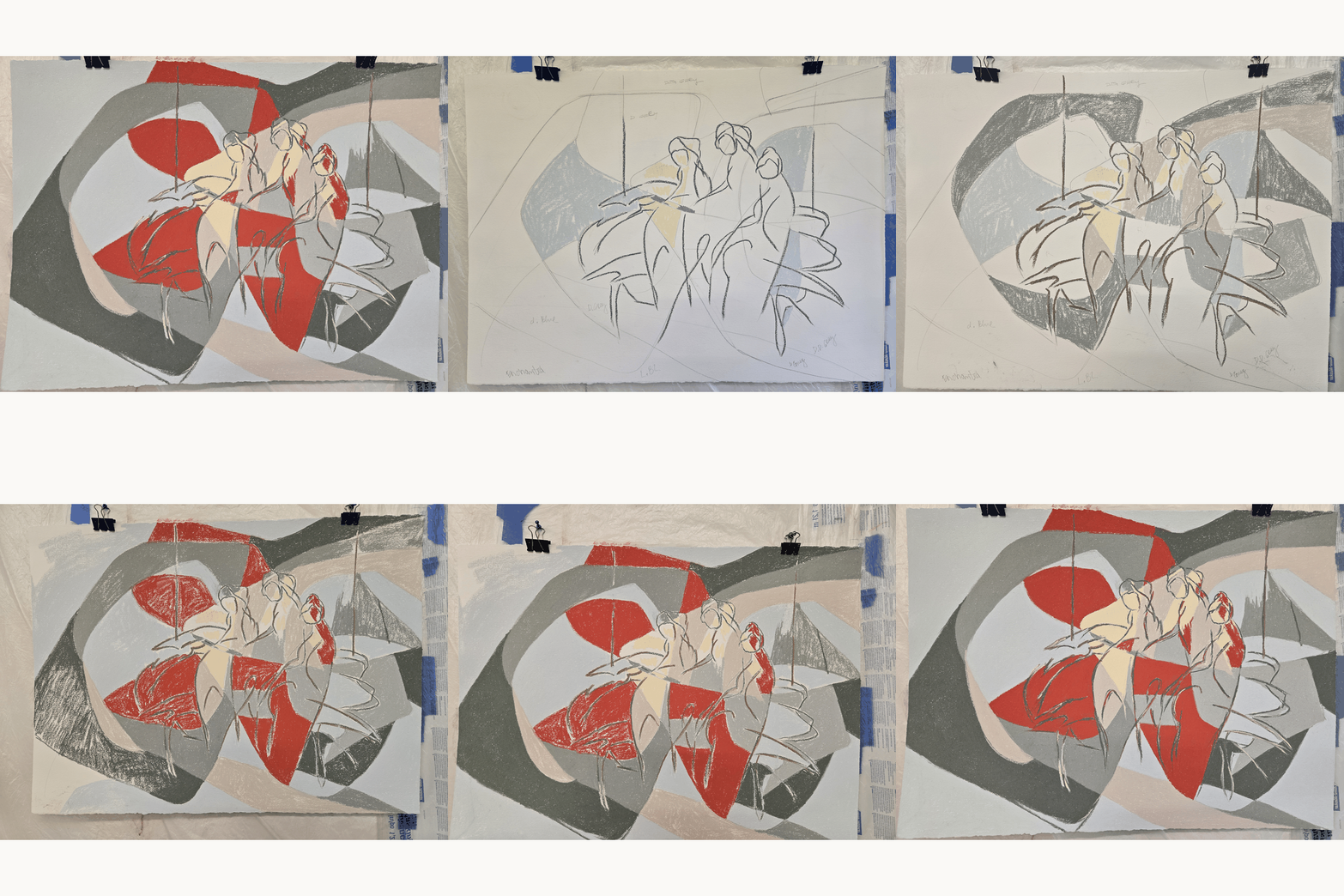
Three figures cluster near the center of a shallow, tilting space, drawn in loose charcoal contour and left mostly open — the line describes a shoulder, a bent knee, a turned head, then lets the body dissolve back into the field around it. Two slender vertical lines drop from the top edge, the only literal element in the picture: the ropes of the swing the title names. Everything else is left to interpretation.
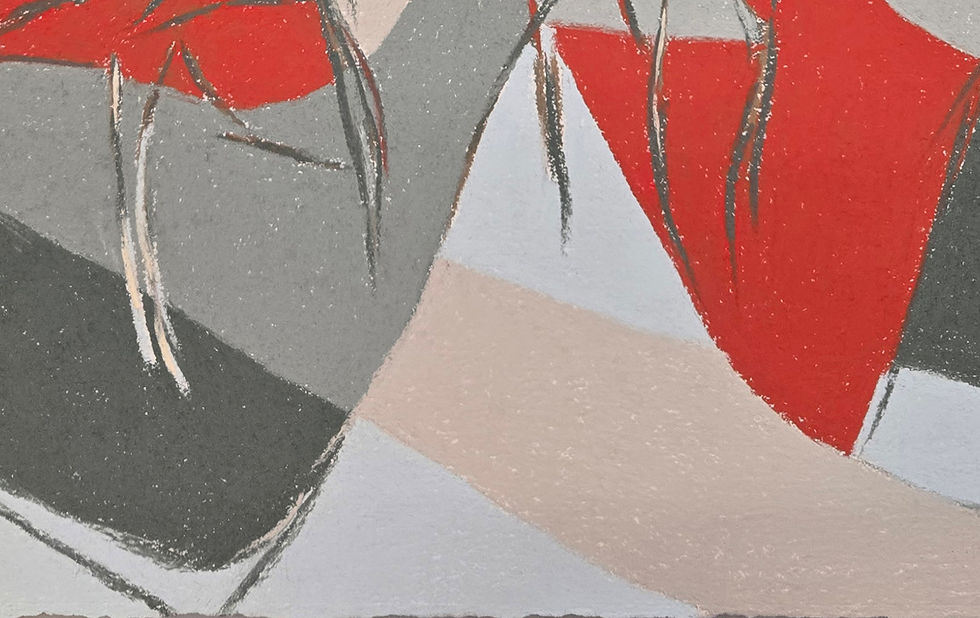
The palette is severe and deliberate. Warm cream and blush hold the bodies; a single saturated red moves through the composition in broad angular wedges, cutting across the figures rather than filling them. Around these, a range of greys — pale, mid, near-black — builds a set of overlapping ovals and curved planes that read alternately as canopy, ground, shadow, and enclosure. The dark forms sweeping in from the left and upper right press the group inward, so the figures feel both cradled and hemmed.
The lower third is a thicket of gestural line: legs, rope ends, tall grasses. The drawing is at its most agitated here, which sets up the quiet of the flat upper planes and gives the whole image its sense of suspended motion — a swing caught mid-arc rather than at rest.
The tension of the work lies in the refusal to resolve. The three bodies overlap so closely that limbs and shoulders trade owners; the red planes belong equally to figure and ground. What could be an idyll of companionship reads with an edge of unease, the enchantment of the title held slightly at a distance.



(YR-2026)
title ::
medium ::
size ::
purchase ::
ENCHANTED SWING FOR THREE
WATERCOLOR, SOFT PASTEL, COLLAGE
T 22" X W 30" (~ 55.9 cm x 76.2 cm)